
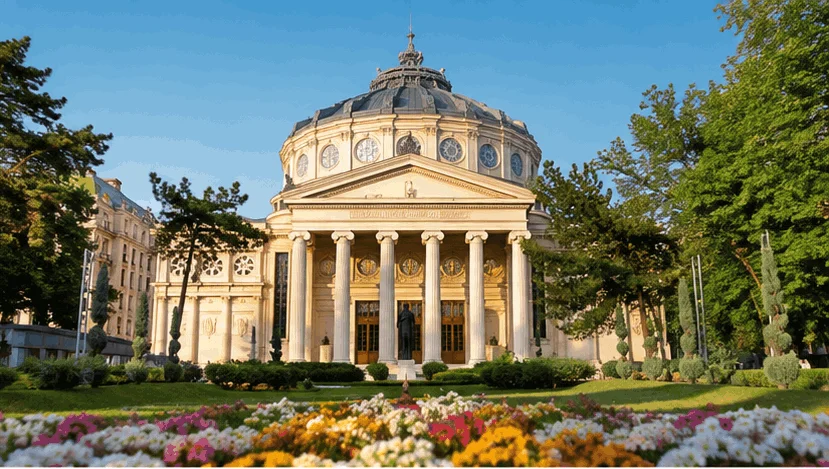
The best places to see in Bucharest include the Palace of Parliament, Romanian Athenaeum, Old Town (Lipscani), Stavropoleos Monastery, Revolution Square, Calea Victoriei, Dimitrie Gusti National Village Museum, and King Michael I Park. These attractions show Bucharest’s mix of royal history, communist-era landmarks, traditional culture, and modern city life.
Bucharest is the capital of Romania and the country’s largest city. It is known for historic buildings, museums, Orthodox churches, large public squares, parks, and cultural attractions.
The city stands out because different periods of history exist side by side. Visitors can see 19th-century architecture, royal landmarks, communist-era buildings, and modern cafés in the same trip.
Bucharest is a good choice for:
- History lovers who want to understand Romania’s past.
- Architecture fans interested in old buildings and unique designs.
- Food travelers looking for Romanian dishes and local restaurants.
- Budget travelers wanting an affordable European city break.
- Weekend visitors who want many attractions in the central area.
How Many Days Do You Need to See Bucharest?
Most visitors need two to three days to experience Bucharest beyond the main landmarks. If you are planning a first-time city break, comparing things to do for first-time visitors can also help you decide how much time to spend on each attraction.
Bucharest is the capital of Romania and the country’s largest city. For official travel guidelines and updated transit advisories across the country, refer to Romania Travel, the national tourism board.
Is One Day Enough for Bucharest?
Yes, you can see Bucharest’s main attractions in one day. You will need a well-planned route because some landmarks are farther away.
A one-day itinerary can include:
- Morning: Palace of Parliament and Old Town
- Afternoon: Calea Victoriei and Romanian Athenaeum
- Evening: Revolution Square and nearby restaurants
A one-day trip is useful for first impressions. It leaves little time for museums, local neighborhoods, or slower experiences.
Bucharest in 2–3 Days: A Better Itinerary
A longer stay lets you explore Bucharest’s history, culture, and everyday life.
Day 1: Explore Historic Bucharest
Visit:
- Old Town (Lipscani)
- Stavropoleos Monastery
- CEC Palace
- Revolution Square
- Romanian Athenaeum
Most of these attractions are located in or near central Bucharest.
Day 2: Discover Culture and Local Life
Explore:
- Dimitrie Gusti National Village Museum
- King Michael I Park
- National museums
- Traditional Romanian restaurants (with suitable dietary options)
The Village Museum opened in 1936. It displays traditional houses, churches, tools, and objects from different regions of Romania.
Day 3: Visit Hidden Areas and Nearby Places
Use your extra time for:
- Local neighborhoods
- Smaller museums
- Markets
- Day trips outside Bucharest
This slower pace helps you see more than just the famous landmarks.

What to See in Bucharest: 12 Must-Visit Attractions
1. Palace of Parliament: Bucharest’s Most Famous Landmark
The Palace of Parliament is one of Bucharest’s most recognizable landmarks. It was built during Nicolae Ceaușescu’s communist period and is now the home of Romania’s Parliament.
Construction started in 1984 as part of Ceaușescu’s plan to rebuild central Bucharest. The building became one of the largest administrative buildings in the world.
Key facts:
- Construction began: 1984
- Current use: Romanian Parliament building
- Rooms: About 1,100
- Floor area: Around 365,000 square meters
The building is famous for its sheer size and use of expensive materials. It also represents one of the most controversial periods in Romania’s modern history.
Visitor Tips for Palace of Parliament
Before your visit:
- Book a guided tour: Public access is through organized visits.
- Bring identification: Visitors are required to present official documents for entry.
- Arrive early: Security procedures can take extra time.
The Palace of Parliament is not only an architectural attraction. It helps visitors understand Romania’s communist past and political history.
2. Romanian Athenaeum: Bucharest’s Cultural Icon
The Romanian Athenaeum is one of Bucharest’s most famous cultural buildings. It is known for its neoclassical architecture and role as a major concert venue.
The building was constructed between 1886 and 1888. It became an important place for cultural events in Romania.
The Athenaeum is located near other important attractions, making it easy to include in a walking route.
Best Ways to Experience the Romanian Athenaeum
- Attend a concert: Visit during cultural events or explore the interior to experience the building’s history.
- Take exterior photos: The dome and columns are popular features.
- Combine nearby sights: Revolution Square and Calea Victoriei are close.
The Romanian Athenaeum is a strong example of Bucharest’s connection with European-style architecture and Romanian culture.
3. Old Town (Lipscani): Bucharest’s Historic Center
Old Town, also known as Lipscani, is the historic center of Bucharest. The area is known for old streets, historic buildings, restaurants, and cafés.
It is one of the easiest areas to explore on foot. Visitors can combine history with food, shopping, and evening activities.
Nearby attractions include:
- Stavropoleos Monastery
- CEC Palace
- National Museum of Romanian History
Best Time to Visit Old Town
Old Town has a different atmosphere throughout the day.
- Morning: Better for quiet walks and photography.
- Evening: Better for restaurants.
Visiting early allows you to enjoy the historic streets with fewer crowds.
4. Stavropoleos Monastery: A Small Landmark With Rich History
Stavropoleos Monastery is one of the most important historic churches in central Bucharest. It is located near Old Town and is known for its detailed architecture and peaceful atmosphere.
The church was built in 1724 during the reign of Prince Nicolae Mavrocordat. It represents the Brâncovenesc architectural style, which combines local Romanian, Byzantine, and Ottoman influences.
Why visit Stavropoleos Monastery:
- Historic architecture: See one of Bucharest’s best-preserved old churches.
- Quiet atmosphere: It offers a calm break from busy Old Town streets.
- Central location: It is easy to combine with nearby attractions.
The monastery shows a different side of Bucharest. While the Palace of Parliament represents the communist period, Stavropoleos reflects the city’s older religious and cultural heritage.
5. Calea Victoriei: Bucharest’s Historic Walking Route
Calea Victoriei is one of Bucharest’s oldest and most important streets. It connects many cultural landmarks and has played an important role in the city’s history.
The street is a good choice for travelers who want to explore Bucharest on foot. Many major attractions are located along or near this route.
A simple walking route includes:
- Romanian Athenaeum
- Revolution Square
- National Museum of Art of Romania
- Old Town connection
Why Walk Along Calea Victoriei?
Calea Victoriei offers a mix of:
- Historic buildings
- Museums
- Royal-era architecture
- Cultural attractions
It is one of the best areas to understand Bucharest’s changing identity.
6. Revolution Square: Where Romania’s Modern History Changed
Revolution Square is one of Bucharest’s most important historical places. It became internationally known during the 1989 Romanian Revolution, which ended Nicolae Ceaușescu’s communist rule.
The square contains several important landmarks connected to Romania’s political history.
Visitors can see:
- Former Central Committee building of the Romanian Communist Party
- Memorial of Rebirth
- Important government buildings
Why Revolution Square Matters
This area is more than a photo stop. It helps visitors understand Romania’s transition from communist rule to democracy.
A visit here adds context to other attractions, especially the Palace of Parliament.
7. Dimitrie Gusti National Village Museum: Traditional Romania in One Place
The Dimitrie Gusti National Village Museum shows visitors what traditional Romanian village life looked like.
The open-air museum was founded in 1936. It includes traditional houses, churches, workshops, mills, and objects collected from different regions of Romania.
The museum is located within King Michael I Park, making it easy to combine the two attractions in one visit.
The open-air museum was founded in 1936. To check seasonal opening hours and workshop events before visiting, visit the National Village Museum’s official website.
Who Should Visit the Village Museum?
It is especially suitable for:
- Families looking for an educational attraction.
- Culture travelers interested in Romanian traditions.
- Photography visitors who enjoy historic buildings and outdoor scenes.
The museum provides a different experience from Bucharest’s urban landmarks.
8. King Michael I Park (Herăstrău Park): Bucharest’s Green Escape
King Michael I Park, previously known as Herăstrău Park, is one of Bucharest’s largest and most popular parks. It surrounds a large lake and features walking paths, green spaces, and recreational areas.
The park is located in the northern part of the city, near the Village Museum.
Good activities include:
- Morning walks
- Cycling
- Relaxing near the lake
- Combining with the Village Museum visit
Why Add the Park to Your Itinerary?
Bucharest can feel busy, especially around central streets. The park gives visitors a quieter experience.
It is a good place to slow down after visiting museums and historic attractions.
9. Cărturești Carusel: Bucharest’s Famous Bookstore
Cărturești Carusel is one of Bucharest’s most recognizable modern cultural spaces. The bookstore is located inside a restored 19th-century building in Old Town.
The interior is known for:
- White balconies
- Large open spaces
- Elegant architectural details
Why Visit Cărturești Carusel?
Visitors enjoy it because it offers:
- Unique architecture
- A quiet indoor activity
- A modern cultural experience
It is a good stop during rainy days or after exploring Old Town.
10. Bucharest Museums: Explore Beyond Famous Landmarks
Bucharest has museums covering Romanian history, art, and science. Adding one or two museums can make your visit more complete.
National Museum of Romanian History
This museum explores Romania’s history through archaeological discoveries, historical objects, and national collections.
It is located near Old Town, making it easy to combine with a walk through the historic center.
This museum explores Romania’s history through archaeological discoveries, historical objects, and national collections. For ticketing and information on temporary exhibitions, check the National Museum of Romanian History.
National Museum of Art of Romania
The National Museum of Art of Romania is located inside the former Royal Palace. It includes Romanian and European art collections.
Best for:
- Art lovers
- Royal history fans
- Visitors interested in European painting
The National Museum of Art of Romania is located inside the former Royal Palace. You can view temporary gallery schedules and permanent collections on the National Museum of Art of Romania portal.
Grigore Antipa National Museum of Natural History
The Grigore Antipa Museum focuses on natural history and biodiversity. It is a popular choice for families and visitors interested in science.
11. Hidden Gems in Bucharest Most Tourists Miss
Bucharest has more to offer than its famous landmarks. Exploring quieter areas helps visitors understand how locals experience the city.
Explore Bucharest’s Local Neighborhoods:
Cotroceni District: Historic Streets and Royal Connections
Cotroceni is known for quiet streets, historic houses, and its connection with Cotroceni Palace. The palace has served as a royal residence and is now the official residence of Romania’s president.
The palace has served as a royal residence and is now the official residence of Romania’s president. Guided tours of the historic quarters can be booked through the Cotroceni National Museum.
Why explore Cotroceni:
- See historic residential architecture
- Enjoy quieter streets
- Experience a local neighborhood
It offers a slower side of Bucharest away from the main tourist areas.
Dorobanți: Restaurants and Modern City Life
Dorobanți is a neighborhood known for restaurants, cafés, and residential streets.
It offers a different atmosphere from Old Town.
Visitors can enjoy:
- Local restaurants
- Coffee shops
- Evening walks
Discover Bucharest’s Creative Side
Bucharest also has a growing contemporary culture scene.
Visitors can find:
- Street art
- Independent cultural spaces
- Creative cafés
Exploring these areas shows how the city continues to develop beyond its historic landmarks.
12. Best Food Experiences to Add to Your Bucharest Trip
Romanian food is an important part of the experience in Bucharest. Traditional dishes reflect the country’s history and local traditions.
Popular Romanian dishes include:
- Sarmale: Cabbage rolls usually filled with meat and rice.
- Mici (Mititei): Grilled rolls made from seasoned minced meat.
- Papanasi: A traditional Romanian dessert made with cheese and dough.
- Cozonac: A sweet bread commonly prepared during holidays.
Visitors should check ingredients and halal availability before ordering meat dishes
Where to Try Romanian Food
Visitors can experience local cuisine at:
- Traditional Romanian restaurants (with suitable dietary options)
- Local markets
- Historic restaurants
Food tips:
- Try local dishes: Romanian cuisine offers more than international options.
- Visit local restaurants: They often provide a more authentic experience.
- Explore beyond tourist streets: neighborhood restaurants can offer a wider variety of options.

Bucharest Travel Guide: Practical Information First-Time Visitors Need
Planning a few practical details before your trip can make exploring Bucharest easier. Knowing the right travel essentials can also help you avoid common problems during your trip.
Best Areas to Stay in Bucharest
Bucharest has several central neighborhoods that work well for visitors. Choosing the right area can reduce travel time and make sightseeing easier.
Old Town (Lipscani): Best for First-Time Visitors
Old Town is a popular choice because many major attractions are nearby. The area has restaurants, cafés, and historic streets.
Best for:
- Short city breaks
- Walking to attractions
Keep in mind that Old Town can become busy in the evening because it is one of the city’s main entertainment areas.
Calea Victoriei Area: Best for History and Architecture
The area around Calea Victoriei is ideal for travelers who want easy access to cultural attractions.
Best for:
- Museums
- Historic buildings
- Walking tours
Nearby attractions include the Romanian Athenaeum, Revolution Square, and the National Museum of Art of Romania.
University Square: Best for Central Transport Access
University Square is another practical area for visitors. It is centrally located and connected to public transport routes.
Best for:
- Easy city access
- Travelers using public transport
- Visitors exploring different districts
How to Get Around Bucharest?
Bucharest has several transport options, including the metro, buses, trams, taxis, and walking routes.
The best option depends on where you are going.
Walking Around Central Bucharest
Walking is one of the easiest ways to explore the historic center.
Good walking areas include:
- Old Town
- Calea Victoriei
- Revolution Square
- Romanian Athenaeum area
Many major landmarks are located close to each other.
Using Public Transport
Bucharest’s public transport network includes:
- Metro
- Buses
- Trams
- Trolleybuses
The metro is useful for longer distances across the city.
Taxi and Ride-Sharing Apps
Taxis and ride-sharing services can be useful when:
- Traveling with luggage
- Visiting areas outside the center
- Traveling late at night
Always use official taxi services or trusted apps.
Bucharest Budget Guide: Is the City Expensive?
Bucharest is generally considered a more affordable European capital compared with many Western European cities. Costs depend on your travel style and choices.
A typical travel budget includes:
- Accommodation: Hotels, apartments, or hostels
- Food: Restaurants, cafés, and markets
- Transport: Metro, buses, taxis, or walking
- Attractions: Museum tickets and guided tours
How to Save Money in Bucharest
Budget-friendly tips:
- Use public transport: It is cheaper than frequent taxis.
- Eat local food: Traditional restaurants often provide good value.
- Explore free attractions: Parks, streets, and public squares are free.

Bucharest Hidden Planning Tips: Mistakes Tourists Should Avoid
Spending All Your Time in Old Town
Old Town is one of Bucharest’s most popular areas, but it is only one part of the city.
Visitors who stay only in this area may miss:
- Local neighborhoods
- Parks
- Museums
- Residential architecture
A better trip combines famous landmarks with everyday city experiences.
Skipping Communist History
Bucharest’s modern identity is closely linked to its communist period.
Important places to understand this history include:
- Palace of Parliament
- Revolution Square
These sites explain how Romania changed during the 20th century.
Visiting Attractions Without Planning Routes
Bucharest has many attractions close together. Planning your route helps you save time.
A smart approach:
- Group nearby attractions together
- Visit walking areas on the same day
- Leave enough time for museums
Example route:
Historic Center Walking Route
- Old Town
- Stavropoleos Monastery
- CEC Palace
- Revolution Square
- Romanian Athenaeum
Best Bucharest Day Trips If You Have Extra Time:
Bucharest is a useful base for exploring other Romanian destinations.
Peleș Castle: A Royal Mountain Destination
Peleș Castle is located in Sinaia, in the Carpathian Mountains. It was built as a royal residence for King Carol I of Romania.
The castle is known for:
- Royal history
- Neo-Renaissance architecture
- Mountain scenery
It is one of Romania’s most visited castles.
Brașov: Medieval Streets and Mountain Views
Brașov is a historic city in central Romania. It is known for its medieval center, Council Square, and the Black Church.
Visitors enjoy Brașov for:
- Historic architecture
- Old Town atmosphere
- Carpathian mountain views
It is a popular destination for travelers seeking to explore more of Romania beyond Bucharest.
Snagov Monastery: A Quiet Historical Escape
Snagov Monastery is located north of Bucharest on an island in Snagov Lake.
The monastery is known for:
- Religious history
- A peaceful lake setting
- A short trip outside the capital
It offers a quieter experience compared with busy city attractions.
Common Myths About Visiting Bucharest (And What Actually Works)
Myth 1: “You Can See All of Bucharest in One Day”
Some travelers treat Bucharest as a quick stop between destinations. A one-day visit can cover major landmarks, but it does not show the complete city.
You may see the Palace of Parliament, Old Town, and Romanian Athenaeum. However, you will have little time for museums, neighborhoods, parks, and local food.
A better option is to spend two to three days in Bucharest. This gives enough time for major sights and local experiences.
Myth 2: “Old Town Is the Real Bucharest”
Old Town is an important part of Bucharest, but it represents only one side of the city.
The wider city includes:
- Historic neighborhoods
- Royal-era buildings
- Communist landmarks
- Modern cultural spaces
A better approach is to combine Old Town with places like Cotroceni, Calea Victoriei, and King Michael I Park.
Myth 3: “Bucharest Is Only About History”
Bucharest’s history is a major reason to visit, but the city is not only a history destination.
Visitors can also enjoy:
- Romanian cuisine
- Cafés
- Parks
- Creative spaces
- Modern cultural attractions
The best trips combine old landmarks with present-day city life.
Final Verdict:
Bucharest is worth visiting for travelers who want a European capital with a different story to tell. The city combines royal architecture, communist history, traditional culture, green spaces, and modern experiences.
First-time visitors should plan two to three days to explore Bucharest properly. This allows enough time for famous landmarks while leaving room for local neighborhoods, food, and cultural experiences.
For travelers looking for an affordable city with deep history and a mix of old and new, Bucharest is a strong choice for a 2026 trip.
Frequently Asked Questions (FAQs):
What is the number one attraction in Bucharest?
The Palace of Parliament is Bucharest’s most famous landmark. Its size and connection to Romania’s communist history make it one of the city’s most memorable places to visit.
How many days are enough for Bucharest?
Two to three days are ideal for most visitors.
This gives enough time to explore:
- Major landmarks
- Museums
- Parks
- Historic streets
- Local food experiences
A one-day trip is possible, but it focuses only on the main highlights.
Is Bucharest worth visiting?
Yes. Bucharest is a good choice for travelers interested in history, architecture, culture, and affordable European city breaks.
The city offers:
- Royal-era architecture
- Communist landmarks
- Traditional Romanian culture
- Modern cafés and creative spaces
What should you not miss in Bucharest?
First-time visitors should include:
- Palace of Parliament
- Romanian Athenaeum
- Old Town
- Dimitrie Gusti National Village Museum
- Revolution Square
- Calea Victoriei
These places provide a balanced view of Bucharest’s history and culture.




Leave a Reply